
The Evolution of Telehealth: Integrating Digital Innovation into Home Care
- The traditional healthcare model—scheduling an appointment weeks in advance, sitting in a crowded waiting room, and traveling to a clinic for a ten-minute consultation—is undergoing a radical transformation. As we look toward the future of telehealth, it is clear that the boundaries between the hospital and the home are blurring. Digital health is no longer just a temporary solution for emergencies; it has become a permanent pillar of the “cure and care” philosophy, making medical expertise accessible to anyone with an internet connection.
Telehealth encompasses a wide range of services, from video consultations and remote monitoring to digital prescriptions and AI-driven symptom checkers. By leveraging these tools, patients can receive a clinical “cure” while staying in the comfort of their own environment, where the most meaningful “care” takes place. This guide explores how digital innovation is shaping the next decade of healthcare and what it means for your family’s wellness.
The Shift from Reactive to Proactive Care
One of the most significant changes in the future of telehealth is the shift from reactive medicine to proactive wellness. In the past, people usually saw a doctor only when symptoms became unbearable. Digital health tools now allow for continuous “care” that catches issues before they escalate.
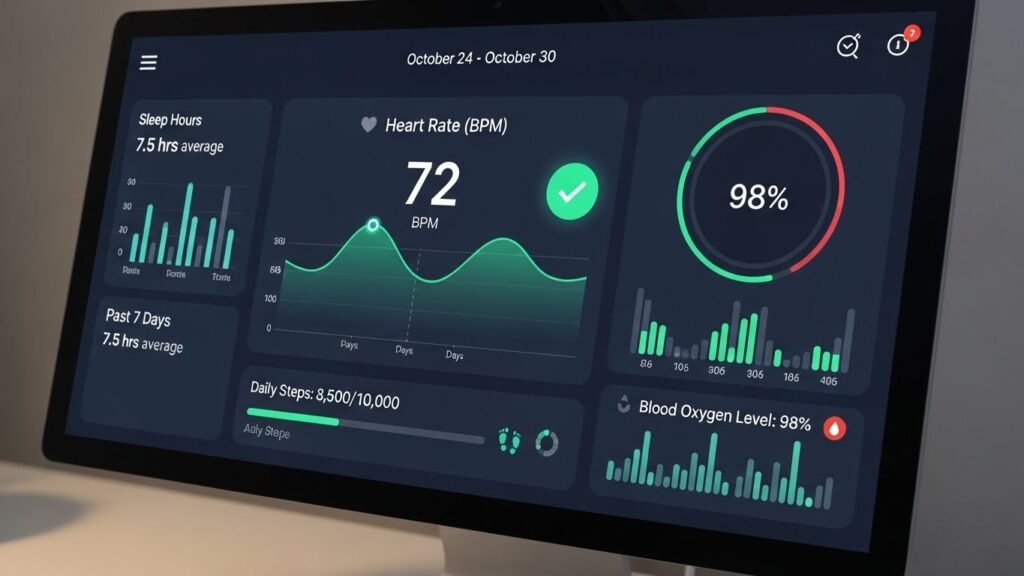
With wearable devices and home-based sensors, data is transmitted to healthcare providers in real-time. If your heart rate stays elevated or your sleep patterns shift dramatically, your medical team can reach out to you before you even realize there is a problem. This proactive approach reduces the strain on emergency departments and ensures that chronic conditions are managed with precision.
Virtual Consultations: Beyond the Video Call
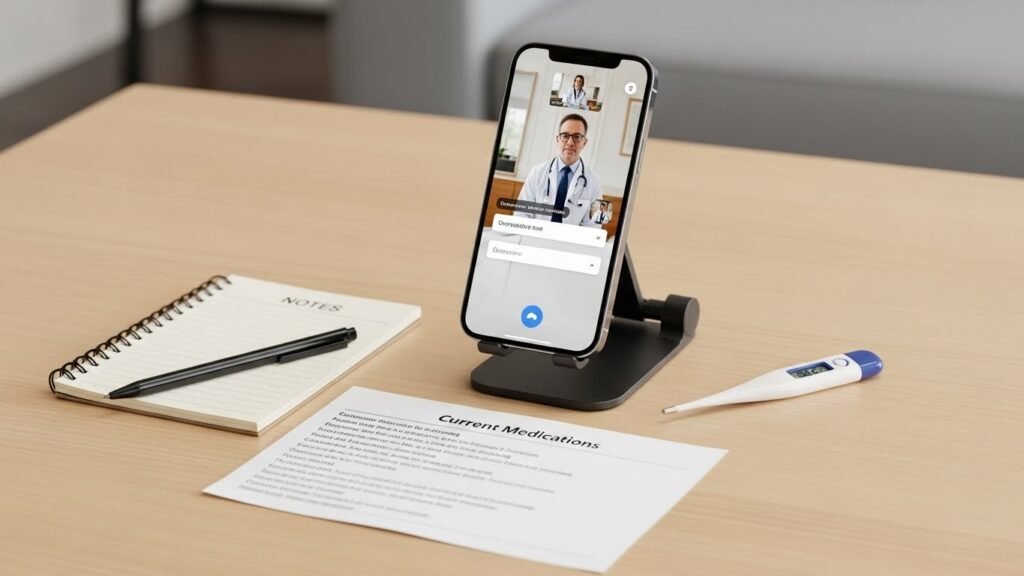
While video calls are the most visible aspect of telehealth, the technology is becoming much more sophisticated. The future of telehealth involves “integrated virtual visits.” This means that during a video call, your doctor can remotely access data from your smart blood pressure cuff or digital stethoscope.
High-definition cameras now allow dermatologists to inspect skin lesions with incredible detail, while psychiatrists can observe a patient’s home environment to meet their mental health needs. This level of intimacy and data integration ensures that a virtual visit is just as effective, and sometimes more insightful, than an in-person appointment.
Overcoming the “Digital Divide”
For telehealth to be truly effective, it must be accessible to everyone, including older people and those in rural areas. The next phase of digital health focuses on “user-centric design”—creating apps and devices that are intuitive for people who may not be tech-savvy.
Voice-activated assistants are playing a larger role here. A patient can say, “Connect me with my nurse,” or “Remind me when to take my heart medication.” By removing the technical barriers, we ensure that the most vulnerable populations receive the “care” they deserve without the stress of navigating complex software.

Mental Health and the Digital Frontier
Telehealth has perhaps had its most significant impact on mental healthcare. The “care” of the mind is often hindered by the stigma of visiting a clinic or the difficulty of finding a local therapist. Digital platforms have democratized access to counseling, support groups, and cognitive behavioral therapy.
The future of telehealth in mental health includes the use of Virtual Reality (VR) for exposure therapy and mobile apps that use “digital phenotyping” to detect signs of depression based on how a user interacts with their phone. These innovations provide a continuous safety net for those who might otherwise fall through the cracks of the traditional system.
The Role of Artificial Intelligence in Diagnosis
While the human touch remains essential for “care,” Artificial Intelligence (AI) is becoming a powerful partner in the “cure.” AI algorithms can analyze thousands of medical images or data points in seconds, identifying patterns that a human eye might miss.
In the telehealth space, AI-powered “triage bots” help patients determine the urgency of their symptoms. By answering a series of questions, a patient can be directed to either a primary care physician, a specialist, or the emergency room. This ensures that resources are used efficiently and that patients get the right level of care at the right time.

Digital Prescriptions and Pharmacy Integration
The future of telehealth also simplifies medication logistics. After a virtual visit, your “cure” is sent directly to a digital pharmacy. Patients no longer need to drop off paper slips or wait in long lines.
Smart pharmacy apps notify you when a refill is due and can even coordinate with your insurance provider automatically. Some services now offer “same-day delivery” via specialized couriers, ensuring that if you are too ill to leave the house, your treatment arrives at your doorstep.
Privacy and Security in the Digital Age
As we move more health data into the cloud, security becomes a top priority. For a digital “care” system to work, patients must trust that their most sensitive information is protected.
The next generation of telehealth platforms uses blockchain technology and end-to-end encryption to secure medical records. This ensures that you have total ownership of your data—you decide which doctors can see it and for how long. Transparency in data usage is a cornerstone of the modern patient-doctor relationship.

Common Challenges to Digital Adoption
Despite the benefits, the transition to a fully digital model has its hurdles:
- The Physical Exam Limitation: Some procedures, such as palpating an abdomen or performing a physical biopsy, cannot be performed through a screen.
- Insurance Disparities: Not all insurance plans cover telehealth at the same rate as in-person visits, though this is rapidly changing.
- Internet Connectivity: High-speed internet is a prerequisite for video health, making “digital equity” a significant public health goal.
Preparing for Your First Virtual Visit
To get the most out of the future of telehealth, you should approach your virtual visits with a strategy:
- Check Your Tech: Ensure your camera, microphone, and internet connection are stable ten minutes before the call.
- Find a Private Space: Choose a quiet, well-lit room where you can speak freely about your health.
- Have Your Vitals Ready: If you have a thermometer or blood pressure cuff, take your readings just before the call starts.
- Lighting Matters: If you need to show the doctor a rash or a wound, ensure you have bright, natural light.
Remote Surgery and the Cutting Edge
At the far end of the digital spectrum is the world of robotic and remote surgery. While this is currently reserved for highly specialized centers, the technology exists for a surgeon in one city to operate on a patient in another using high-speed, low-latency networks. While this may not be part of “home care” yet, it represents the ultimate expression of the “cure” being untethered from physical location.
Conclusion: A Human-Centered Digital Future
The future of telehealth is not about replacing doctors with machines; it is about using machines to give doctors more time for “care.” When technology handles the data collection and the logistics, the patient-doctor relationship can return to its roots—a focused, empathetic conversation about health and healing.
By embracing digital tools, we can ensure that every individual has access to the best medical “cure” while receiving the most personalized “care” in the place they love most: home. The digital revolution in healthcare is just beginning, and its primary goal is to make a healthier life possible for everyone, everywhere.

Telehealth Success Tips
- Stay Organized: Keep a digital folder of your visit summaries.
- Be Honest: Don’t skip details just because you aren’t in a physical office.
- Follow Up: Ensure you know how to contact the clinic if you have questions after the call.
- Verify Coverage: Always check with your insurance provider about telehealth reimbursement.