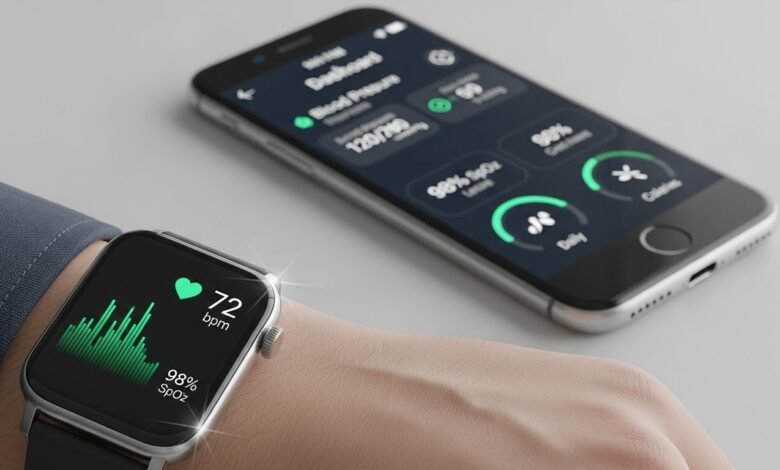
The Best Remote Monitoring Tools for Enhancing Home Care and Safety
- The landscape of healthcare is shifting from the hospital bedside to the home. In the past, monitoring a patient’s vital signs required frequent office visits or expensive inpatient stays. Today, the rise of “digital health” has introduced a variety of remote monitoring tools that enable families and doctors to track health data in real time. This technology provides an essential safety net, ensuring that accurate, clinical data backs the “care” provided at home.
For caregivers and patients alike, these tools offer peace of mind. They can detect early warning signs of complications before they become emergencies, potentially speeding up the “cure” and preventing hospital readmissions. Whether you are managing a chronic condition like hypertension or recovering from a significant surgery, integrating the right technology into your routine can significantly improve your quality of life. In this guide, we will explore the top 7 tools revolutionizing modern home care.
1. Smart Blood Pressure Monitors
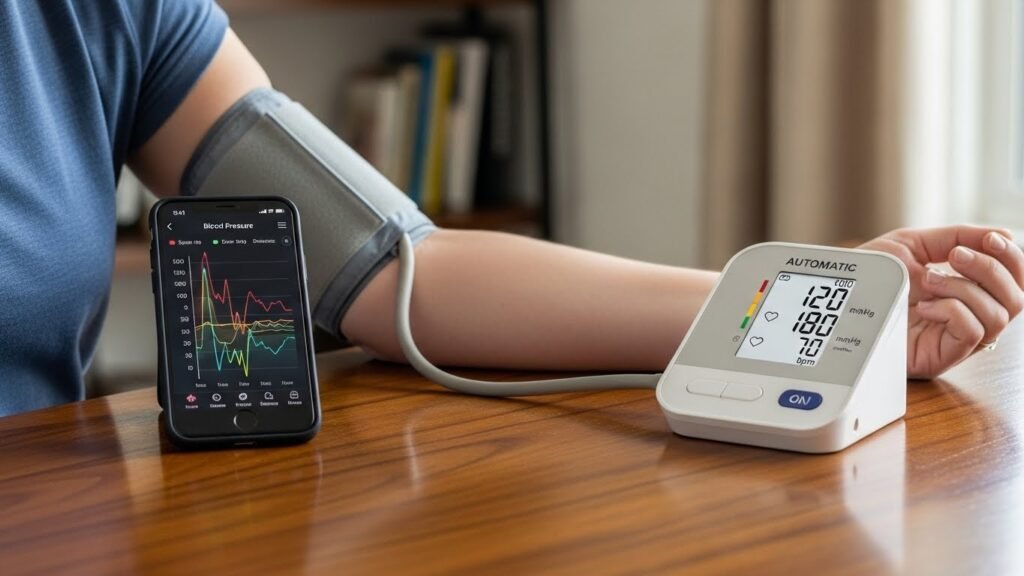
Hypertension is often called a “silent killer” because it rarely shows symptoms until it causes significant damage. A smart blood pressure monitor is the most essential of all remote monitoring tools. Unlike traditional cuffs, these devices sync via Bluetooth to a smartphone app.
These apps automatically create charts and graphs of your readings over days, weeks, or months. This data is invaluable to doctors when adjusting medications. Many devices also feature “irregular heartbeat” detection, providing an extra layer of cardiac screening from the comfort of your living room.
2. Pulse Oximeters with Cloud Sync
A pulse oximeter measures your blood oxygen saturation and pulse rate. While simple versions have been available for years, modern versions now include cloud synchronization. This is particularly useful for patients with respiratory conditions like COPD or those recovering from pneumonia.
By continuously or at set intervals tracking oxygen levels, caregivers can see if a patient’s breathing becomes labored during sleep or physical activity. If levels drop below a certain percentage, the app can send an immediate alert to a designated family member’s phone.
3. Smart Scales for Fluid Management
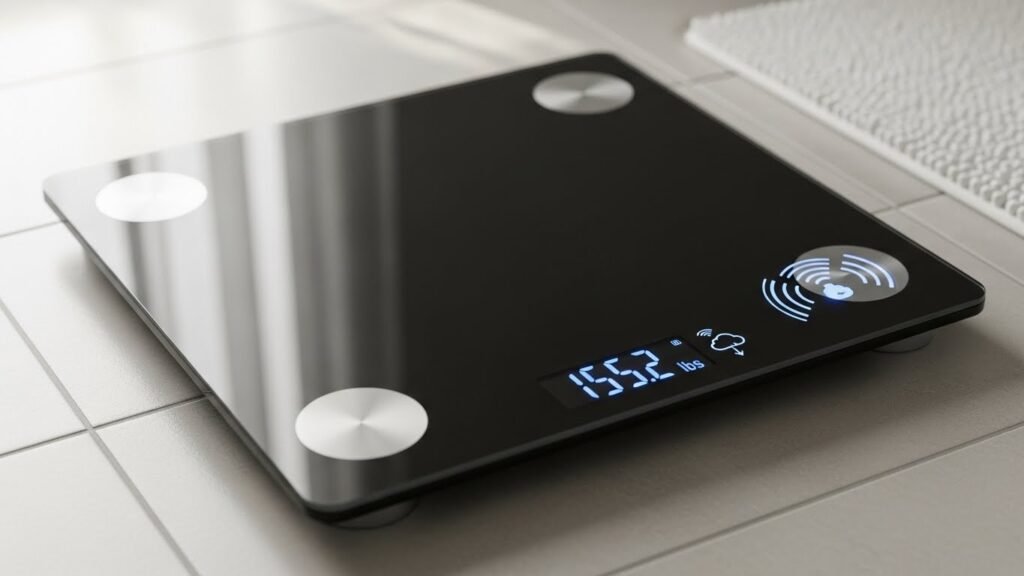
For patients with congestive heart failure or kidney issues, sudden weight gain is a major red flag. It often indicates that the body is retaining fluid, which can put a dangerous strain on the heart and lungs.
A smart scale does more than measure body fat; it tracks precise weight fluctuations. These remote monitoring tools are often programmed to alert a medical team if a patient gains more than two or three pounds in a single day. This early warning allows for quick adjustments to diuretic medications, often preventing a trip to the emergency room.
4. Wearable ECG and Heart Rate Trackers
While many people use smartwatches for fitness, medical-grade wearables have become sophisticated diagnostic tools. Devices like the Apple Watch or specialized chest straps can now perform a single-lead Electrocardiogram (ECG) to detect Atrial Fibrillation (AFib).
For a bedbound or elderly patient, these wearables provide 24/7 heart rate monitoring. They can detect if a heart rate is dangerously high (tachycardia) or too low (bradycardia) and notify emergency contacts. This constant oversight is a perfect example of how technology supports the “care” aspect of holistic health.
5. Continuous Glucose Monitors (CGM)
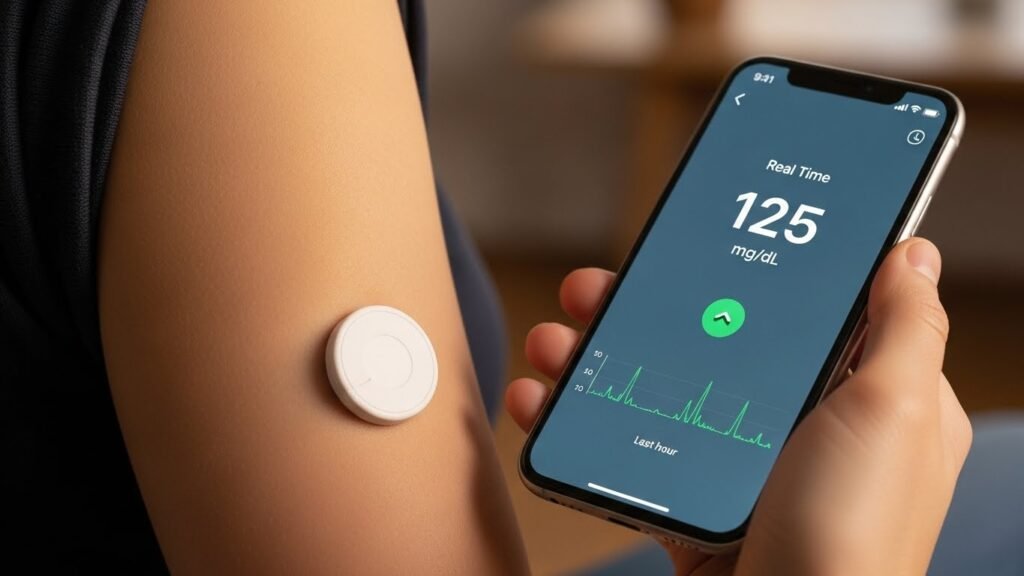
For those managing diabetes, the traditional “finger-stick” method is being replaced by Continuous Glucose Monitors. A small sensor is placed on the arm or abdomen to measure glucose levels in interstitial fluid every few minutes.
The data is sent to a receiver or a smartphone, providing a complete picture of how food, exercise, and stress affect blood sugar levels. For caregivers, the ability to see a loved one’s glucose levels remotely is a game-changer, especially during the night when the risk of hypoglycemia (low blood sugar) is highest.
6. Smart Pill Dispensers
Medication errors are one of the leading causes of hospital readmission. A smart pill dispenser takes the guesswork out of complex medication schedules. These devices are pre-loaded by a caregiver or pharmacist and only release the correct pills at the scheduled time.
If a dose is missed, the device can sound an alarm and send a notification to a caregiver’s phone. Some advanced models even feature a camera or a “confirm” button to ensure the patient has actually taken the medicine, bridging the gap between clinical “cure” and daily “care.”
7. Fall Detection and Motion Sensors
Safety at home isn’t just about vitals; it’s about the environment. Fall detection pendants or watches use accelerometers to sense a sudden drop followed by immobility. If a fall is detected, the device automatically calls for help.
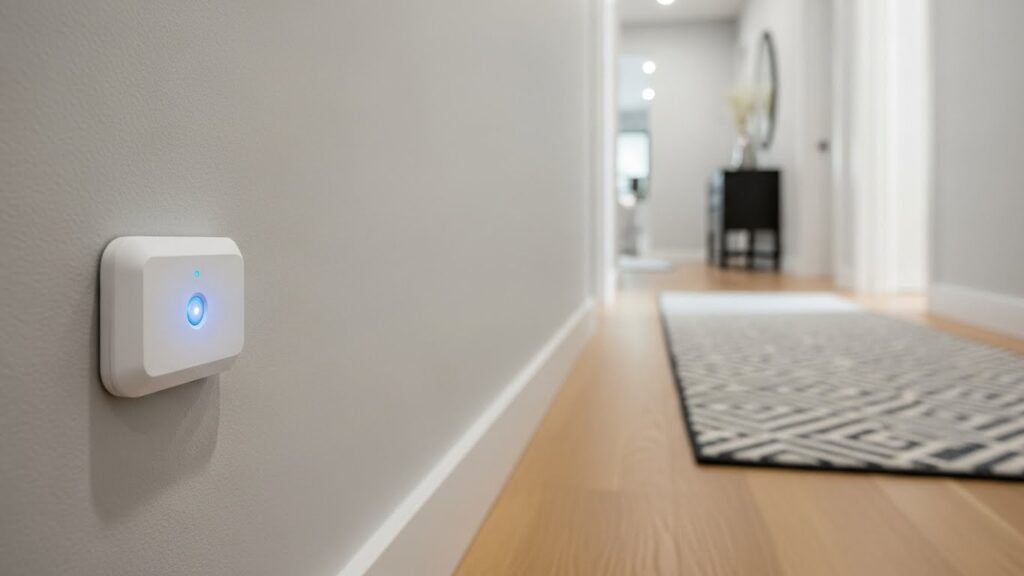
Additionally, “ambient” motion sensors can be placed around the home. These do not use cameras (preserving privacy) but instead track patterns of movement. If a patient usually goes to the kitchen at 8:00 AM but hasn’t moved by 10:00 AM, the system alerts the caregiver that something might be wrong.
Common Mistakes When Using Monitoring Tools
- Over-Reliance on Tech: Technology should complement, not replace, physical check-ins and professional medical advice.
- Ignoring Calibration: Many devices, like blood pressure cuffs, need to be calibrated or checked against the doctor’s office equipment to ensure accuracy.
- Data Overload: It is easy to become anxious by checking numbers too frequently. Focus on the trends rather than every single fluctuation.
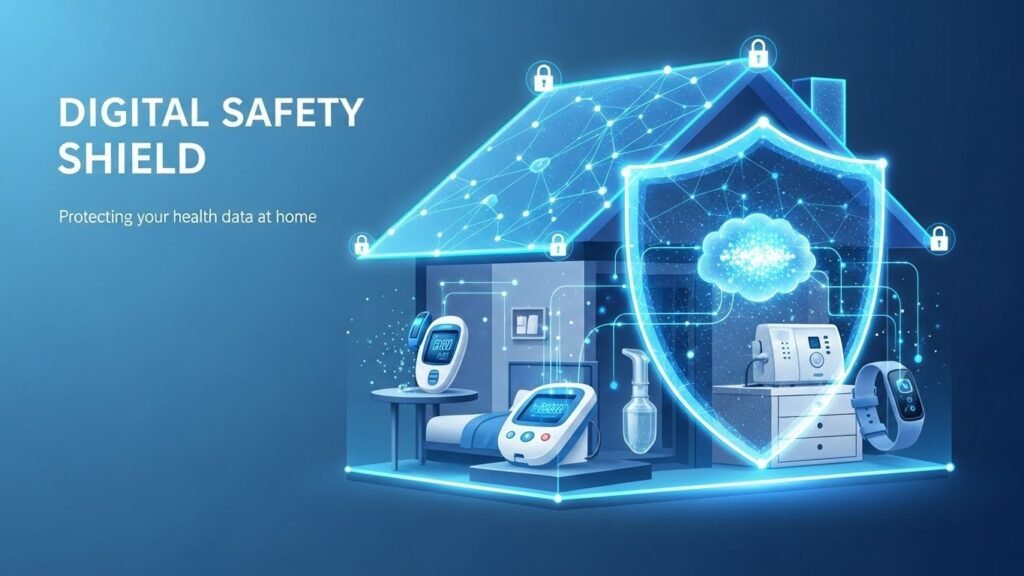
- Security Neglect: Always use strong passwords and secure Wi-Fi networks for health devices to protect sensitive medical data.
Integrating Tools into a Care Plan
To successfully use remote monitoring tools, you must have a plan for what to do with the data.
- Define Thresholds: Ask the doctor, “At what number should I be worried and call you?”
- Shared Access: Ensure that all primary caregivers have access to the apps and login information.
- Regular Reviews: Once a week, review the collected data to identify patterns, such as blood pressure rising every Tuesday or glucose dropping after a specific meal.
The Future of “Cure and Care”
As artificial intelligence and sensor technology continue to evolve, we can expect these tools to become even more proactive. Future systems may be able to predict a flare-up of a condition days before the patient feels any symptoms. This transition toward “predictive care” will make home-based recovery safer and more effective than ever before.
Conclusion
The use of remote monitoring tools is a powerful way to enhance the safety and effectiveness of home care. By choosing the right devices for your specific needs—whether it’s a smart scale for heart health or a CGM for diabetes—you empower yourself with the information you need. This data-driven approach ensures that the path to a “cure” is monitored closely and that the “care” provided at home is of the highest possible standard. Embrace the technology, but remember that the human touch remains the most essential part of healing.
Home Tech Setup Checklist
- [ ] Verify device compatibility with your smartphone.
- [ ] Test the “alert” system to ensure notifications reach your phone.
- [ ] Calibrate new devices at your next doctor’s appointment.
- [ ] Set up a dedicated charging station for all wearable devices.