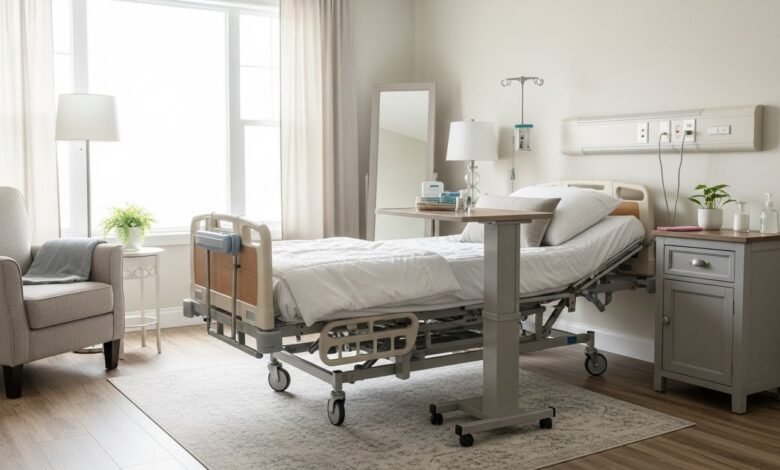
Creating a Safe and Comfortable Home Care Room Setup for Bedbound Patients
- When a loved one becomes bedbound due to illness, injury, or age, the home environment must undergo a significant transformation. A proper home care room setup is the foundation of quality care. It is not just about placing a bed in a room; it is about engineering a space that promotes healing, prevents complications like pressure sores, and ensures the safety of both the patient and the caregiver.
Transitioning to home-based care can be overwhelming. However, by breaking the process down into clinical needs, safety requirements, and comfort adjustments, you can create an environment that rivals a professional facility while maintaining the warmth of a home. In this guide, we will walk through every essential element of setting up a room for a bedbound patient.
Choosing the Right Room
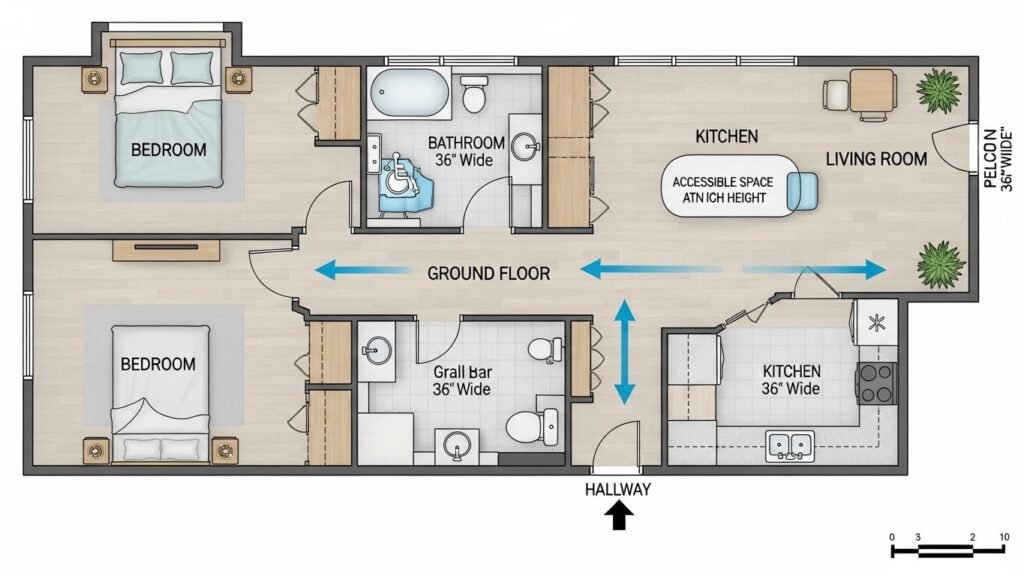
The room’s location is the first and most critical decision. If possible, choose a room on the ground floor to avoid stairs and ensure easy access for emergency services or medical equipment deliveries.
The room should be close to a bathroom and situated in a quiet area of the house, yet not so isolated that the patient feels disconnected from the family. Adequate ventilation and natural light are also vital for the patient’s mental health and circadian rhythm.
The Bed: The Center of the Care Universe
A standard household bed is rarely sufficient for a bedbound patient. For a long-term home care room setup, a hospital bed is highly recommended. These beds allow for the head and feet to be elevated, which helps with breathing, digestion, and circulation.
- Pressure Relief Mattresses: Constant pressure on the skin can lead to dangerous bedsores. Use a high-quality foam or alternating-pressure air mattress designed for long-term bed rest.
- Adjustable Height: Raising the bed to the caregiver’s waist height prevents back strain during bathing or changing.
- Bed Rails: While helpful for security, ensure they are used safely to prevent entrapment.
Essential Equipment and Furniture
Beyond the bed, several other pieces of furniture are necessary to keep the room functional and clutter-free.
- Over-the-Bed Table: This provides a stable surface for meals, reading, or using a tablet.
- Bedside Commode or Urinal: Essential for patients who may have limited mobility but can still be briefly assisted out of bed.
- Medical Supply Cart: A rolling cart with drawers is perfect for storing bandages, gloves, sanitizers, and medication.
- Supportive Seating: A comfortable chair for visitors or caregivers should be placed within the patient’s line of sight.

Safety and Accessibility Modifications
Safety is the non-negotiable part of any home care room setup. Minor hazards that a healthy person might ignore can become major obstacles in a caregiving situation.
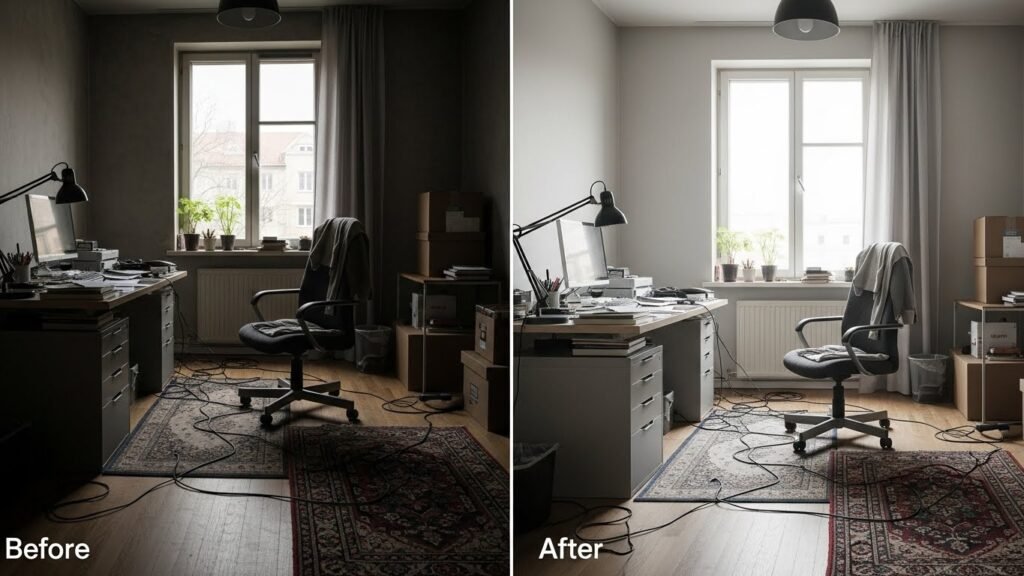
- Remove All Trip Hazards: Get rid of throw rugs, loose extension cords, and small furniture.
- Lighting: Install motion-sensor nightlights between the bed and the bathroom. Ensure the patient has a lamp or light switch within easy reach of their hand.
- Flooring: Hardwood or laminate is generally better than carpet, as it is easier to clean and allows for more effortless movement of wheeled equipment such as IV poles or patient lifts.
- Communication System: If the patient cannot call out loudly, provide a simple wireless “call button” or a baby monitor so they can alert the caregiver in another room.
Preventing Complications: Airflow and Hygiene
A bedbound patient is at increased risk of respiratory issues and skin infections. The room must be kept at a consistent, comfortable temperature (usually between 68°F and 72°F or 20°C and 22°C).
Ensure the room is cleaned daily. Dust can irritate the lungs of someone immobile. Use non-toxic, scent-free cleaning supplies to avoid triggering any sensitivities. If the patient spends 24 hours a day in the room, consider a HEPA air purifier to maintain air quality.

Creating a Healing Atmosphere
The “Care” in your setup comes from making the room feel less like a hospital and more like a sanctuary. A clinical environment can be depressing, which actually slows down the “Cure” process.
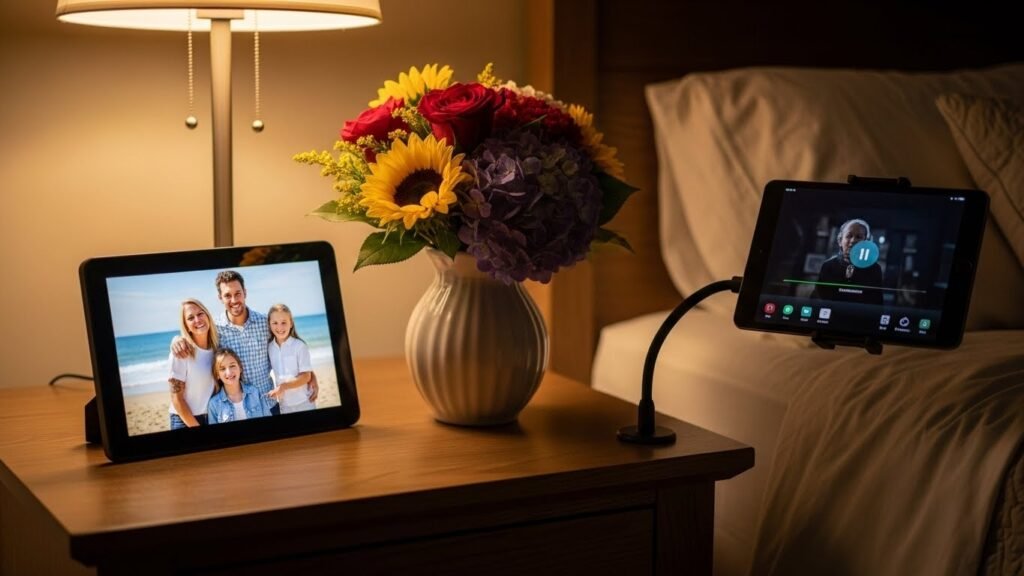
- Personalization: Hang family photos or familiar artwork where the patient can easily see them.
- Entertainment: Position a television, radio, or smart speaker at a comfortable height. Audiobooks are excellent for patients with limited vision or hand strength.
- Nature: If a window view isn’t available, bring in a low-maintenance indoor plant (ensure it is non-allergenic).
Organising the “Active Zone”
The “Active Zone” is the area immediately surrounding the patient’s head and reach. This area should contain:
- A water bottle with a straw.
- The call button or phone.
- Tissues and hand sanitizer.
- A remote control or tablet.
- A notebook for the caregiver to log vitals or medication times.
Common Mistakes in Home Room Setup
- Too Much Clutter: Too many personal items can make it difficult for medical professionals or paramedics to move around in an emergency.
- Poor Lighting: Dim rooms increase the risk of depression and make it harder for caregivers to inspect the skin for sores.
- Inaccessible Outlets: Not having enough power outlets for medical equipment (like oxygen concentrators or nebulizers) can lead to dangerous daisy-chaining of extension cords.
Sanitation and Waste Management
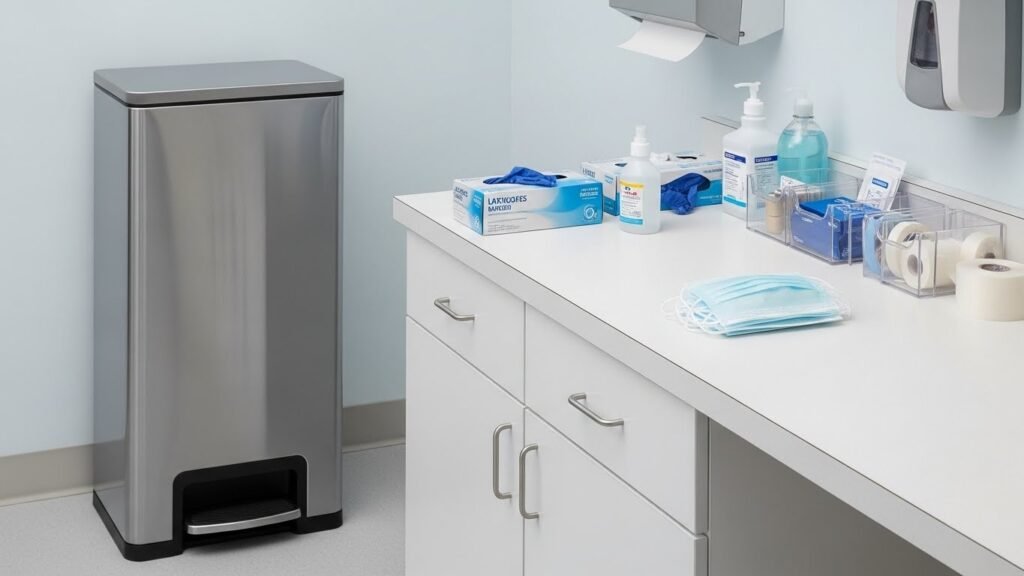
Managing waste is a reality of bedbound care. You should have a dedicated, lidded trash can for medical waste (like soiled pads or bandages) and a separate bin for laundry. If you are handling “sharps” (needles), you must use a puncture-proof container that meets local safety regulations.
The Caregiver’s Ergonomics
A home care room setup must also protect the caregiver. If you are constantly leaning over a low bed, you will eventually suffer from chronic back pain.
- Use Transfer Aids: Utilize gait belts or slide sheets to move the patient rather than lifting them manually.
- Kneeling Pads: If you need to perform tasks at a lower level, use a foam pad to protect your knees.
- Clear Workspace: Ensure there is enough space on both sides of the bed so you don’t have to squeeze into tight corners to change linens.

Conclusion
Setting up a room for a bedbound patient is an act of love that requires careful planning. By focusing on the “Cure” through proper medical equipment and the “Care” through a comfortable, personalized environment, you provide your loved one with the best possible quality of life. A well-organized room reduces caregiver stress and provides a dignified, safe space for the patient to rest and recover.
Review your setup weekly. As the patient’s condition changes, the room should evolve to meet their new needs. With patience and organization, you can turn any room into a high-standard care environment.

Room Setup Checklist
- [ ] Hospital bed with pressure-relief mattress.
- [ ] Clear, 3-foot wide walking paths around the bed.
- [ ] Emergency contact list taped to the wall or door.
- [ ] Working call-button or communication device.
- [ ] All medications stored safely and labeled clearly.
- [ ] Adequate lighting for both day and night.